
Things to Do in Slovakia in January
January weather, activities, events & insider tips
Low Season · Budget Friendly
January Weather in Slovakia
Long-run averages for January in Bratislava
37°F (3°C)
High Temp
26°F (-2°C)
Low Temp
1.5 inches (38 mm)
Rainfall
80%
Humidity
1
Sunny-Day UV
⚠ Sudden ice fog on Tatra roads reduces visibility to 50 m (165 ft) without warning - carry reflective vest in rental car. Store close. Dress bright. Drive alive.
Is January Right for You?
Weigh the advantages and considerations before booking
Advantages
- + January is winter with the gloves off, snow clings to the High Tatras like it was glued there, turning Slovakia's roof into an Alpine postcard. Only 130-odd lifts spin, and they run half-empty, so you glide straight onto the chair at Jasná while February's queue is still a rumor.
- + The Christmas booths in Bratislava's Hlavné námestie simply swap gingerbread for pork knuckle and keep the mulled wine flowing. Lights stay up until Three Kings on 6 January, so the old town glows amber against the iron sky without the December swarm.
- + Once the fireworks fade, hotel rates plummet 30-40%. Renovated 19th-century pensions on Michalská Street cost the same as a faceless airport box outside Europe, and breakfast arrives with žemľovka from a bakery that has fired its ovens since 1824.
- + Only from December to March can you enter Dobšinská Ice Cave and Demänovská Cave of Liberty. The 500 m walkway threads frozen waterfalls. Any other month it's just a drippy hole.
Considerations
- − Eight hours is all you get: sun crests Bratislava castle at 7:45 AM and slips behind the Carpathians by 4:15 PM. Schedule outdoor time for the 11 AM, 2 PM slot when the light is sharpest.
- − Low-Tatra huts close for annual tune-ups. Chata M. R. Štefánika at 1,740 m locks its doors the first January week, severing the Ďumbier, Chopok ridge. Detour or pack bivy gear.
- − Service culture goes into hibernation. In Banská Bystrica, cafés unlock only Thursday, Sunday, and the famously brusque waitstaff turn surlier when six tables replace sixty. Reserve or dine on supermarket ham.
Best Activities in January
Top things to do during your visit
High Tatras Winter Hiking Trails
Above 1,200 m, January's snowpack hardens the summer trail into a polished ice highway. The 5 km stroll from Štrbské Pleso to Popradské Pleso stretches to two hours through snow-bent pines, and the frozen lake lets you walk on water until March thaw.
Booking Tip: Marked trails need no guide. But strap on micro-spikes from any Tatra shop. Check laviny.slovakia.sk before leaving; freeze-thaw above 1,800 m stacks unstable slabs.
Bratislava Castle Evening Tours
Bratislava's 15th-century castle keeps doors open until 8 PM in January, two hours later than summer. Without tour buses, you can shoot the floodlit Danube and white limestone that reflects streetlamps like a lantern, a trick lost once spring pollen dulls the stone.
Booking Tip: The English tour starts at 6 PM on Friday and Saturday only, capped at 20. Book online. The armour hall is kept at 8 °C to keep the metal happy, so bring gloves.
Traditional Slovak Schnapps Distillery Visits
January is prime slivovica time. Autumn-distilled plum brandy has mellowed just enough, and family stills in the Malé Karpaty swing open on Saturdays. You smell fermenting fruit before you see the copper, and 52 % alcohol scorches the cold faster than glühwein.
Booking Tip: Watch for 'destilérka' signs on road 502 between Modra and Pezinok. Phone first, many open only Saturday and close when the thermometer sinks below, 8 °C because condensers freeze solid.
Slovak National Theatre Opera Season
January is peak opera inside Bratislava's 1886 neo-Renaissance theatre. The building's original cast-iron radiators finally earn their keep, and tickets for Dvořák or Smetana in Czech drop to summer prices. At intermission, champagne is poured into crystal on the marble stairs.
Booking Tip: Student rush tickets, 50 % off, appear at 5 PM for 7 PM shows. The line starts at 4 PM, yet non-students usually score. Jacket and dark jeans pass. Shorts are turned away, even in winter.
Košice Historical Pub Crawls
Košice's Gothic lanes stay warm via underground beer cellars. When January nights hit, 5 °C, 500-year-old brick vaults hold 12 °C without heat. Order 12 ° tmavé at Golem, liquid bread that fuels walks between 14th-century churches.
Booking Tip: Hit the pubs at 7 PM when after-work crowds pack the vaults. By 10 PM the streets empty and Hlavná ulica is yours for long-exposure shots. The 'Košice Old Town' app overlays medieval market scenes onto present façades.
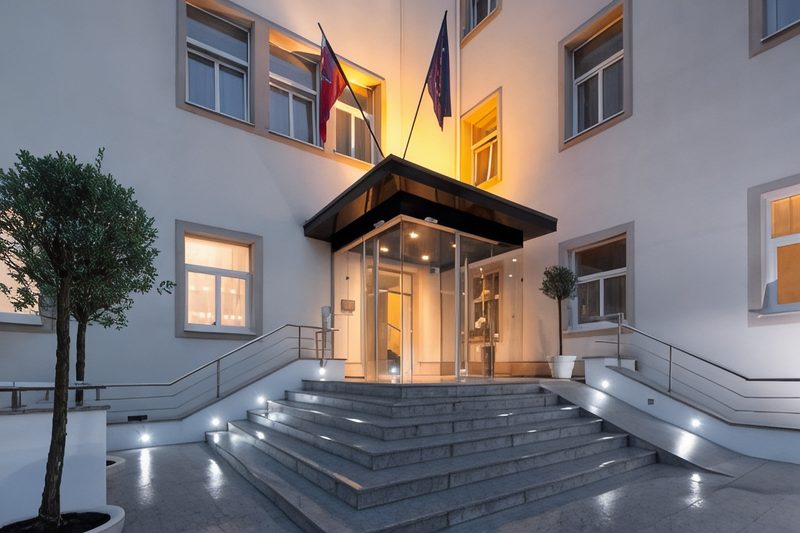
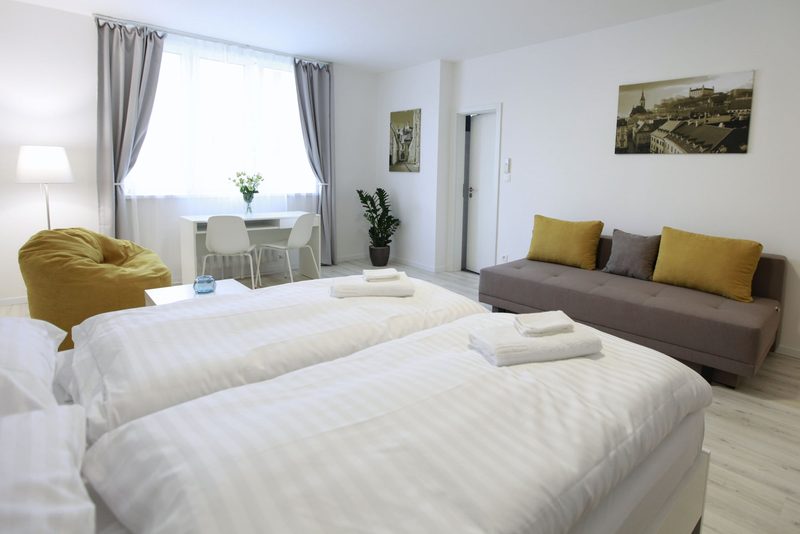
Where to Stay in Slovakia in January
Hand-picked hotels across price tiers for January travellers.
Public Holidays in January
Dates that affect opening hours, transport and crowds
Deň vzniku Slovenskej republiky
Known in English as Day of the Establishment of the Slovak Republic. Observed nationwide as a public holiday.
Zjavenie Pána
Known in English as Epiphany. Observed nationwide as a public holiday.
Deň vzniku Slovenskej republiky
Known in English as Day of the Establishment of the Slovak Republic. Observed nationwide as a public holiday.
Zjavenie Pána
Known in English as Epiphany. Observed nationwide as a public holiday.
Packing Checklist
Bookmark this page — your progress is saved between visits
Need the full list with shopping links?
Climate-specific gear, brand recommendations, and what to leave at home.
View Slovakia Packing List →Essential Tips
Insider knowledge and common pitfalls to avoid
Insider Knowledge
Slovaks lunch at 11:30 AM sharp. Arrive at 12:30 and the 6 EUR three-course daily menu is gone. Kitchens flip to pricier à la carte. Set your alarm.
Train fares are identical online or at the counter. But machines reject notes over 20 EUR. Buy Bratislava-Košice seats the night before. The 5 AM service to Poprad fills with skiers and you'll stand four hours if you wait until dawn.
Museum 'student' discounts apply to anyone under 26 with an ISIC card, yet request 'žiacka zľava' rather than English. During quiet January weeks polite foreigners are sometimes waved through.
January 1st is deserted except at Bratislava's Kuchajda Lake. Locals dive into 4°C (39°F) water for the New Year polar swim, spectating costs nothing, and the lakeside sauna is cheaper than a coffee afterwards.
Avoid These Mistakes
Never assume every castle is open. Bojnice Castle shuts all January for heating repairs; Spišský hrad's courtyards stay open but interior tours halt when windchill falls below -10°C (14°F). Check websites the evening before.
Don't book mountain lodging above 1,300 m (4,265 ft) without verifying road access. Snowplows clear main highways first. That Instagram chalet may leave you hiking 3 km (1.9 mile) uphill because the side road stays buried until February.
Don't wait for the bill. Slovak servers bring it only when asked, say 'zaplatíme prosím', and in January's half-empty dining rooms you can sit thirty minutes after dessert before anyone realises you want to pay.
Ready to plan your trip to Slovakia?
Now that you've got the research covered, here's where to go next.
Book Experiences in Slovakia
Top-rated things to do in Slovakia this January


Explore More Activities in Slovakia
Didn't see anything interesting yet?
Browse Viator's full catalog of tours, day trips, food experiences, and private guides in Slovakia.
See All Slovakia Tours on Viator