
Things to Do in Slovakia in July
July weather, activities, events & insider tips
High Season · Book Early
July Weather in Slovakia
Long-run averages for July in Bratislava
82°F (28°C)
High Temp
61°F (16°C)
Low Temp
2.4 inches (61 mm)
Rainfall
62%
Humidity
7
Sunny-Day UV
⚠ Afternoon thunderstorms in the High Tatras and mountain regions are frequent and can develop rapidly between 1 PM and 5 PM, exposed ridgelines above treeline become dangerous during lightning, and hikers should plan summit attempts for early morning completion
⚠ Bratislava's Danube basin location can produce heat episodes where temperatures exceed the average high for several consecutive days, with humidity amplifying the discomfort, elderly travelers and those with heat sensitivity should plan midday breaks indoors
Is July Right for You?
Weigh the advantages and considerations before booking
Advantages
- + High Tatras trails hit their prime by July. Every alpine meadow above 1,500 m (4,920 ft) runs thick with gentian and edelweiss. The iron-ladder gorge routes in Slovak Paradise National Park, shut tight from November through May, now operate at full capacity. All fixed chains and walkways stand maintained and ready. You get roughly sixteen hours of usable daylight. Summit Rysy at 2,503 m (8,212 ft). Return to Štrbské Pleso for a late dinner. The window works.
- + Bratislava's Cultural Summer scatters free concerts and theatre performances through Old Town courtyards most evenings. The energy shifts. Terrace bars stay open late. Castle grounds host open-air cinema. The mood loosens. No other month matches it.
- + Bratislava's Danube riverfront wakes up in July. The embankment promenade between the UFO Bridge and the Old Town fills with evening walkers. Outdoor beer gardens along Hviezdoslavovo námestie pack out until midnight. Warm evenings drop to around 16°C (61°F). Sit outside in a T-shirt well past sunset. The city shows its true face in July.
- + Slovakia stays cheap next to its Central European neighbours. Accommodation, meals, and transport run lower than equivalent experiences in Vienna (just 60 km or 37 miles west), Prague, or Budapest. This holds even at July's peak-season rates. The gap widens in the east. Košice, the Spiš region, and smaller High Tatras towns deliver the best value.
Considerations
- − Afternoon thunderstorms hit hard in Slovak Julys. The Tatras and Slovak Paradise swing from clear sky to violent electrical storm in under thirty minutes. Watch the 1 PM to 5 PM window. These storms mean business. Exposed ridgelines above treeline turn dangerous during lightning. Several hikers get caught every summer. Plan summit attempts for early morning departures. Start before dawn.
- − Popular Tatras trails and Slovak Paradise gorge routes clog up in July. Weekends hurt most. Suchá Belá gorge, the most famous in Slovak Paradise, bottlenecks at ladder sections. You queue single-file behind forty people on a vertical iron rung. Weekday mornings ease the pressure dramatically. Weekend schedules mean sharing the route. Accept it.
- − Bratislava's Old Town stays compact and walkable. It also absorbs heavy Danube river cruise traffic. Half-day excursions pour passengers ashore. The zone around Hlavné námestie and Michalská brána thickens between 10 AM and 2 PM when multiple ships dock. The rest of the city stays calm. The historic core feels borrowed during those hours.
Best Activities in July
Top things to do during your visit
High Tatras Ridge Hiking
July delivers Slovakia's mountains at their best. Snow clears from all but the highest north-facing couloirs. Mountain huts along the Tatranská magistrála trail open fully and serve hot food. The weather window for summit pushes runs as reliable as it gets. Check the forecast obsessively anyway. The classic day hike to Zelené pleso, a glacial lake at 1,551 m (5,089 ft) in a granite amphitheatre, takes about five hours round trip from Biely Váh. The water looks fake. It is that cold and clear. For a bigger challenge, the marked route up Rysy at 2,503 m (8,212 ft) is Slovakia's highest peak. Pre-dawn starts from Popradské pleso beat the afternoon storms. Altitude air runs 10 to 15°C (50 to 59°F) cooler than Bratislava's valley heat. That alone justifies the climb. Start at 6 AM. Reach high points before clouds build.
Booking Tip: Licensed mountain guides arrange through tourism offices in Starý Smokovec or Tatranská Lomnica. Book a week or two ahead in July. Multi-day traverses need mountain hut beds reserved at least three weeks out. July fills fast. See current guided options in the booking section below.
Slovak Paradise Gorge Scrambling
Slovak Paradise National Park sits about 20 km (12.4 miles) south of Poprad. Nothing else in Central Europe compares. The park's signature one-way gorge routes thread through narrow limestone canyons. Permanent iron ladders, chains, wooden walkways, and metal bridges bolt directly into rock faces. In July, waterfalls through Suchá Belá and Kyseľ gorges carry enough snowmelt to soak you. Mist hits your face. You climb vertical rungs with water streaming past your boots. It feels like canyoneering. The routes are graded. No technical climbing skill required. You need a head for heights. Decent grip strength helps. Piecky gorge runs quietest and probably most scenic. A long waterfall passage narrows the canyon to about 2 m (6.6 ft). Light turns green-gold through the canopy. The full circuit takes three to five hours.
Booking Tip: These routes need no guides. One-way traffic rules apply. Closing times are strict. Arrive at trailheads by 9 AM at the latest. Weekday visits in July cut gorge queues by roughly half against weekends. For guided options and combination day trips from nearby towns, check current availability in the booking section below.
Small Carpathian Wine Trail Tastings
The vine-covered slopes northeast of Bratislava, running from Rača through Pezinok to Modra, produce some of Central Europe's most underrated whites. Grüner Veltliner, Welschriesling, and the aromatic Devín grape you won't find anywhere outside Slovakia. July is when the vineyards are at their most photogenic. The vines hang heavy with unripe clusters. The rows glow well green against the chalky soil. The real draw is the network of wine cellars carved into the hillsides, some of them dating back centuries. The temperature drops to a natural 12°C (54°F) even as July bakes the surface. You step from blinding afternoon sun into cool, damp stone passages that smell of old oak and fermenting must. Someone hands you a glass of something pale gold that tastes of green apple and wet limestone. The town of Svätý Jur, about 15 km (9.3 miles) from central Bratislava, is probably the most atmospheric stop. Cobblestoned, quiet, with cellar doors opening directly off the main lane. This is an easy half-day trip from the capital.
Booking Tip: Wine trail excursions from Bratislava are widely available through local operators. You can typically book a few days ahead in July. Groups with a sommelier guide tend to access cellars that aren't open to walk-ins. See current wine tour options in the booking section below.
Spiš Region Castle and Village Circuit
The Spiš region in eastern Slovakia holds the densest concentration of medieval heritage in the country. July's long daylight hours let you cover ground that would take two days in winter. Spiš Castle sprawls across a travertine hill above the village of Žehra. It is the largest castle ruin in Central Europe. It covers over four hectares (nearly ten acres). Walking its crumbling walls at golden hour with the Tatras floating on the northern horizon is one of Slovakia's defining images. The heat at 28°C (82°F) can be unforgiving on the exposed hillside approach. Time your visit for late afternoon. The stone starts throwing shadows then. The tour buses have already left. Nearby Levoča, still ringed by its original medieval walls, holds the tallest wooden Gothic altar in the world inside the Basilica of St James. The carving by Master Pavol is so intricate it takes a moment to register that the entire 18.6 m (61 ft) structure is limewood. The drive between sites passes through rolling farmland that smells of cut hay and wild chamomile, windows down. The kind of quiet back road that reminds you Slovakia is still largely undiscovered by the package-tour circuit.
Booking Tip: Private guided day trips from Poprad or Košice cover the main Spiš sites efficiently. They typically include transport. Book at least a week ahead in July. English-speaking guides in this region are limited. Check the booking section below for current guided excursions.
Bratislava Old Town and Danube Evening Walking Tours
Bratislava's compact Old Town is best experienced on foot in July's warm evenings. The temperature has dropped from the daytime high. The light turns the pale Baroque facades along Ventúrska ulica a soft amber. The walk from Bratislava Castle down through Michalská brána, along Obchodná, and out to the Danube embankment takes about forty minutes without stopping. You will stop. At Hlavné námestie where a string quartet might be playing under the Maximilian Fountain. At the narrow passage of Baštová where the medieval walls still stand. At the courtyard of the Old Town Hall where summer theatre productions run most July evenings. The UFO Bridge observation deck, perched 85 m (279 ft) above the river, gives you the full panorama. The castle on its hill. The Old Town's rooftops. The flat Hungarian plain stretching south beyond the Danube. What makes July specific is the riverside itself. The promenade fills with locals cycling, running, and sitting on the embankment steps with bottles of Zlatý Bažant. The whole scene has a relaxed, Mediterranean quality. Unimaginable in this same city in January's minus-five freeze.
Booking Tip: Evening walking tours in Bratislava are widely available. They rarely need more than a day or two of advance booking, even in July. Look for small-group options with local guides rather than large umbrella-tour operators. See current walking tour options in the booking section below.
Banská Štiavnica UNESCO Town and Mining Heritage
Banská Štiavnica sits in the crater of an ancient volcano in central Slovakia. The town's Renaissance and Gothic townhouses, built on silver-mining wealth that once made this one of Europe's largest cities, climb the crater walls in tiers. They catch July's late-afternoon light in a way that stops you mid-step. The open-air mining museum at Banský Studenec, about 3 km (1.9 miles) outside town, lets you descend into actual medieval mine shafts. The air drops to a constant 10°C (50°F). The walls glisten wet. A welcome shock after the surface heat. The town's system of artificial lakes, the tajchy, built from the 16th century to power the mine pumps, now is swimming spots that locals have claimed for summer weekends. Počúvadlianske jazero, the largest, has a shoreline fringed with beech forest. The water is warm enough by July for a proper swim. The bottom is silty and soft underfoot. The entire town is a UNESCO World Heritage site. Unlike Český Krumlov or Dubrovnik, the tour buses haven't yet arrived in numbers that change the character of the place. Weekday visits in July still feel like you've wandered into a town that belongs mostly to its residents.
Booking Tip: Day trips from Bratislava take roughly two and a half hours each way. An overnight stay lets you catch the town at its quietest. Guided excursions from the capital are available. They should be booked about a week ahead in July. See current options in the booking section below.
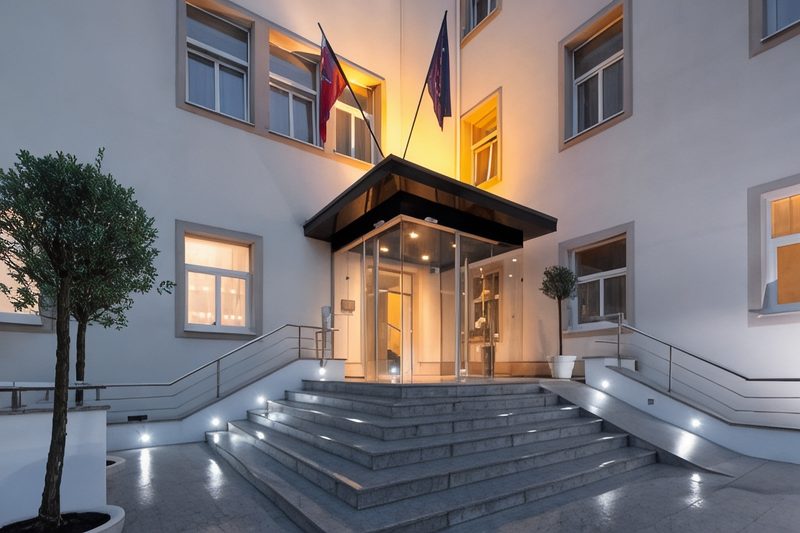
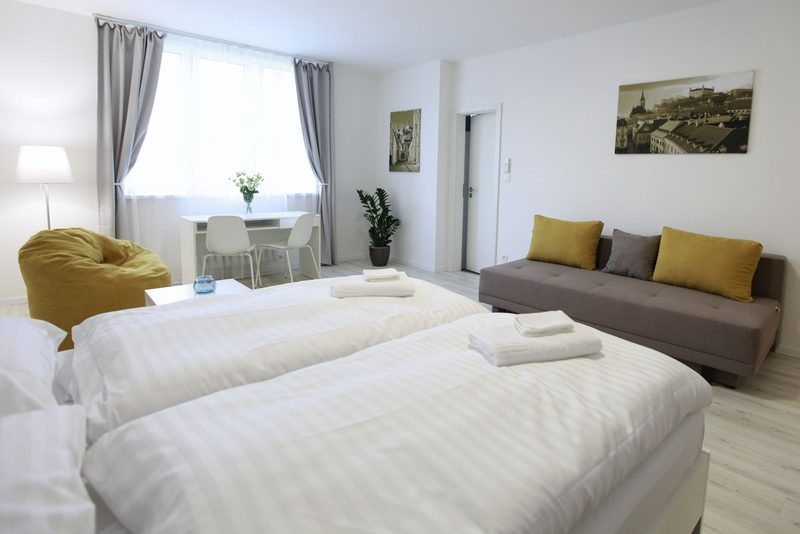
Where to Stay in Slovakia in July
Hand-picked hotels across price tiers for July travellers.
Public Holidays in July
Dates that affect opening hours, transport and crowds
Sviatok svätého Cyrila a svätého Metoda
Known in English as St. Cyril and Methodius Day. Observed nationwide as a public holiday.
Sviatok svätého Cyrila a svätého Metoda
Known in English as St. Cyril and Methodius Day. Observed nationwide as a public holiday.
Packing Checklist
Bookmark this page — your progress is saved between visits
Need the full list with shopping links?
Climate-specific gear, brand recommendations, and what to leave at home.
View Slovakia Packing List →Essential Tips
Insider knowledge and common pitfalls to avoid
Insider Knowledge
The electric rack railway from Štrba station up to Štrbské Pleso runs on Slovak rail passes and costs a fraction of driving and parking at the lake. It climbs 400 m (1,312 ft) in twenty minutes through dense spruce forest, and on a July morning the windows frame the Tatras ridgeline appearing and disappearing through the canopy. Locals use it as their default access to the mountains. The parking situation at Štrbské Pleso in July is awful, and the rack railway sidesteps the entire problem.
Slovak food in July means bryndzové halušky: potato dumplings in a thick sheep-cheese sauce topped with crispy smoked bacon bits. The dish is heavier than what you'd expect to crave at 28°C (82°F), but it is the national dish for a reason. The sheep cheese is tangy, almost sour, the dumplings soft and chewy, and the bacon provides a salt-smoke contrast that makes the whole thing work. You'll find it on every traditional restaurant menu from Bratislava to Košice, and the July version tends to use fresher bryndza from the spring milking. Pair it with a Zlatý Bažant or a Šariš lager, cold from the tap, and eat it in a garden courtyard. It is a better lunch than it has any right to be in midsummer.
Košice, Slovakia's second city in the far east, is a two-and-a-half-hour detour that most visitors skip and shouldn't. The main street, Hlavná ulica, is the widest medieval boulevard in Europe, anchored by the enormous St Elisabeth Cathedral, a Gothic mass of dark stone that takes on an almost theatrical quality when lit at night. July evenings in Košice have a different feel from Bratislava: slower, more local, with fewer tourists and more of the university-town atmosphere that gives the city its character. The singing fountain in front of the State Theatre runs light-and-water shows on summer evenings that draw crowds of families eating ice cream. It is, one of the more pleasant ways to spend a July evening in Central Europe.
Slovakia's train network, operated by ZSSK, connects all the major destinations on this itinerary and is surprisingly efficient on the main routes. The Bratislava to Poprad express covers the 330 km (205 miles) in about four hours and passes through the Váh valley with castle ruins appearing on hilltops every few minutes. First-class carriages are quiet, air-conditioned, and cost only slightly more than standard. Buy tickets at the station or through the ZSSK app, seat reservations for July weekends on the Tatras routes are worth making a day or two ahead. The train is almost always the better option than driving, if your destination is the mountains where parking in July is a competitive sport.
Avoid These Mistakes
Starting Tatras hikes too late in the day. The afternoon thunderstorm pattern in July is not a vague possibility, it is a reliable feature of mountain weather. Hikers who leave trailheads at 10 AM end up on exposed ridges at exactly the wrong time. Set a pre-dawn alarm, be on the trail by 6 or 7 AM, and plan to be below treeline by early afternoon. The mountain rescue service logs its busiest months in July and August, and late starts are the single most common factor.
Treating Slovakia as a day trip from Vienna. Yes, Bratislava is only 60 km (37 miles) from the Austrian capital, and the cruise-ship passengers who spend four hours in the Old Town leave thinking they've seen the country. They have not. Slovakia's real depth, the Tatras, Slovak Paradise, the Spiš castles, Banská Štiavnica, the eastern wine country, requires at minimum a week, and two weeks is better. The day-trip framing sells the country catastrophically short.
Underestimating the physical demands of Slovak Paradise's gorge routes. The marketing photos make the iron ladders look like a gentle adventure, and they are accessible to reasonably fit people. But the Suchá Belá and Kyseľ routes involve genuine vertical climbing on wet metal rungs with water cascading past you. Flip-flops, sandals, and ballet flats appear on the trail every July weekend and it always ends the same way, someone stuck on a ladder with no grip. Proper hiking boots, a firm grip, and a willingness to get soaked are the minimum requirements.
Ready to plan your trip to Slovakia?
Now that you've got the research covered, here's where to go next.
Book Experiences in Slovakia
Top-rated things to do in Slovakia this July


Explore More Activities in Slovakia
Didn't see anything interesting yet?
Browse Viator's full catalog of tours, day trips, food experiences, and private guides in Slovakia.
See All Slovakia Tours on Viator